“Educational Notice: This article is provided purely for informational and educational purposes. It does not constitute financial, investment, or legal advice, nor does it represent an offer, solicitation, or recommendation to trade digital assets or register with CEX.IO.”
Europe’s crypto market entered a stricter phase in 2026. MiCA now sets a clear line for exchanges that want to serve EU and EEA customers, and that line affects how you choose a platform. Binance users feel this change more than most because reports in late June and early July 2026 said the exchange had failed to secure the required EU authorization by the deadline and would restrict services for EU customers. For you, the practical question is simple: which platforms give you a credible route to crypto access under the new European rulebook?
This guide looks at four Binance MiCA alternatives: Kraken, Coinbase, OKX, and Crypto.com. Each one has a different profile. Some may suit advanced traders. Some may be a better fit to beginners who want a simple app. Others can be a good choice for enthusiasts who want cards, staking, tokenized markets, Web3 tools, or business services. The goal here is education, so treat every review as a starting point for your own checks on fees, asset support, local eligibility, and risk disclosures.
What MiCA Is — and What It Is Not
MiCA stands for Markets in Crypto-Assets Regulation. The EU created it to provide crypto-asset service providers with a harmonized rulebook across the bloc. ESMA describes MiCA as a framework for crypto-assets that existing financial services law does not already regulate, with rules covering transparency, disclosure, authorization, supervision, and transactions.
That means MiCA changes the business side of crypto access. Exchanges need the right authorization if they want to offer crypto-asset services to EU customers. Issuers of certain stablecoins must meet extra requirements. Platforms must explain risks, disclose key information, and meet governance and operational standards.
MiCA does not approve every coin on a platform. It does not make Bitcoin, Ethereum, stablecoins, memecoins, derivatives, staking, or tokenized assets low risk. It does not remove volatility, liquidity risk, smart-contract risk, platform risk, or tax responsibility. It also does not guarantee that every product from a licensed platform reaches every EU country in the same way. Your location, client category, payment method, and product type can still limit what you can use.
What Happened to Binance Under MiCA?
Binance became a direct example of how MiCA can affect access. Reuters reported on June 16, 2026, that Binance risked losing permission to serve the EU because it had not secured a MiCA license before the July deadline. Euronews later reported that Binance would suspend crypto services in multiple EU countries after failing to obtain the required authorization. The Wall Street Journal also reported that Binance would cut off EU users after ESMA raised financial-crime concerns with national regulators.
For Binance customers, this creates an operational problem. You may need to review where your assets sit, which products you use, and whether your exchange can legally serve you under MiCA. You should also check withdrawal windows, stablecoin support, open orders, recurring buys, tax records, and account notices before taking action.
The main lesson goes beyond Binance. Under MiCA, you should no longer judge an exchange only by liquidity, token count, or fees. You also need to know which legal entity serves you, which regulator grants authorization, what protections apply, how the platform treats customer assets, and which products your jurisdiction permits.
What to Look for in a Binance MiCA Alternative
A useful alternative needs more than a familiar brand. Start with regulatory status: does the exchange name a MiCA-authorized entity, and does it explain which countries it serves? Then check payment methods. SEPA, cards, Apple Pay, Google Pay, PayPal, P2P, local bank rails, and cash balances can vary by region.
Next, review assets and services. A platform may list hundreds of coins, yet restrict derivatives, staking, stablecoins, cards, or tokenized stocks in your country. You should also examine order types, charting tools, APIs, proof-of-reserves reports, custody arrangements, and account security tools. If you use leverage, read the risk disclosure before you trade. Leverage can magnify losses, and some products can trigger liquidation when collateral falls below required levels.
Kraken
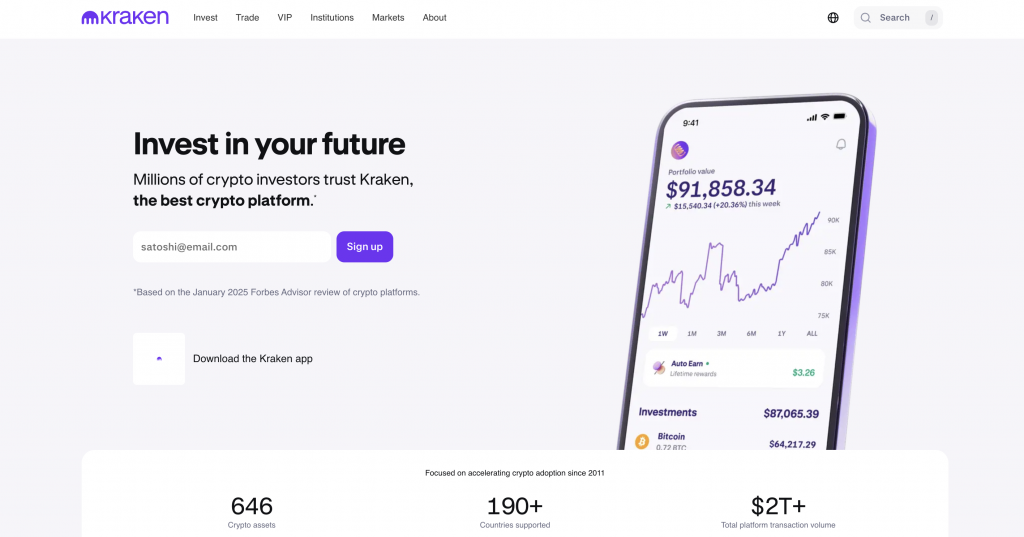
Kraken suits users who want a regulated, advanced trading environment with crypto and traditional market exposure in one account. Kraken says it holds MiCA authorization through the Central Bank of Ireland, plus MiFID permissions for derivatives through CySEC-regulated Payward Europe Digital Solutions.
Payment Methods and Funding
Kraken users can fund spot accounts and move eligible funds between spot and product-specific wallets. For advanced products in the EEA, Kraken may require identity verification, eligibility checks, client categorization, and an appropriateness assessment. This makes the onboarding path more involved for derivatives, equities, and xStocks, but it gives you a clearer product gate before you trade higher-risk instruments.
Assets and Trading Access
Kraken supports spot trading, margin, derivatives, staking, Kraken Pro, Kraken Desktop, and mobile access. Its Pro environment targets users who need order books, portfolio views, analytics, and cross-device trading. The platform also suits traders who want a more professional interface than a simple buy-and-sell screen.
Derivatives, Futures, and Advanced Tools
Kraken’s derivatives materials present more than 100 perpetual futures markets, USD linear perpetuals, long and short exposure, isolated margin, cross margin, and leverage up to 10x where rules allow it. It also lists TradFi futures across CME-listed equity indices, FX, and commodities, plus micro, mini, and standard contracts. Kraken Pro adds FIX API access, advanced analytics, and links between spot and derivatives, which help traders hedge exposure from one interface.
Stocks and xStocks
Kraken has moved into traditional and tokenized markets. Its stock product lists more than 7,000 U.S. stocks through the Kraken app. Its xStocks product gives access to more than 100 tokenized U.S. stocks and ETFs, with 24/5 trading and entry from as little as €1. You should read the product terms carefully. xStocks give exposure to underlying securities, but they do not give you ownership of those shares, voting rights, or the full rights of a shareholder.
Regulation and Risk
Kraken works well for experienced users who want more than basic crypto access. The same depth creates extra responsibility. Derivatives, futures, equities, and tokenized instruments all carry separate rules, fees, and risks. If you only want occasional crypto purchases, Kraken Pro may give you more tools than you need. If you trade actively, Kraken gives you one of the deeper European setups in this list.
Coinbase
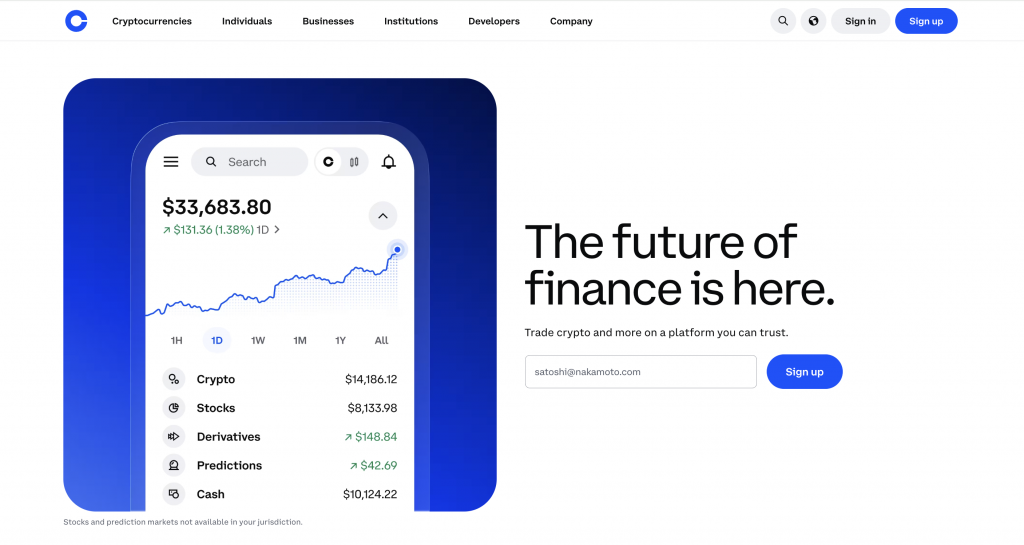
Coinbase suits users who want a clean app, clear fiat funding, education, and a broker-style experience with an advanced trading layer. Coinbase says the Luxembourg CSSF granted its MiCA license, allowing Coinbase Luxembourg to provide crypto-asset services across the EEA.
Payment Methods and Cash Balance
Coinbase lets eligible users deposit fiat into a local-currency cash balance. You can use that balance for crypto purchases and receive sale proceeds back into it. In EMEA, Coinbase lists payment methods such as 3D Secure cards, SEPA, SWIFT, Apple Pay, Google Pay, PayPal where supported, iDEAL in the Netherlands, and BLIK in Poland. The name on your payment method must match your Coinbase account, and Coinbase requires account verification before you add payment methods.
Assets and Market Access
Coinbase supports hundreds of cryptocurrencies and gives you market pages with prices, charts, movers, and new listings. Major assets include Bitcoin, Ethereum, USDC, XRP, Solana, Dogecoin, and Hyperliquid, with stablecoin and market-stat pages for users who track liquidity and daily market movement.
Simple Buy/Sell and Advanced Trade
Coinbase gives beginners a simple purchase flow, then adds Advanced Trade for users who want order types and charting. Advanced Trade supports market, limit, stop-limit, and auction mode orders. Charts use TradingView tools such as EMA, MA, MACD, RSI, and Bollinger Bands. A unified balance lets you move between basic and advanced screens without splitting funds across separate accounts.
Coinbase One, Earn, and Wallet
Coinbase One gives subscribers zero trading fees on eligible trades, enhanced support, and added membership benefits. Coinbase Earn and staking products may offer APY on certain assets, with rates that change and no guarantee of future payouts. Coinbase Wallet gives users a self-custody route, so you can hold keys outside the broker account if you want onchain access.
Security and Transparency
Coinbase offers two-factor authentication, a 24/7 phone account-lock tool, and offline storage for most crypto holdings. It also trades publicly, so it publishes quarterly financial statements. That public-company status can help readers who value corporate reporting and a familiar compliance culture.
OKX
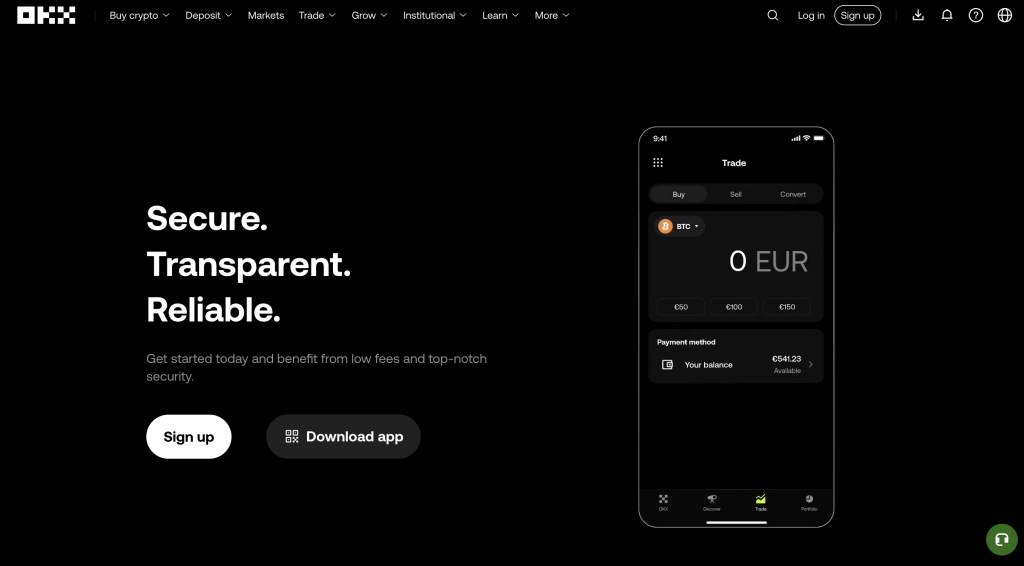
OKX suits crypto-native users who want many trading tools, automation, P2P access, and advanced products. OKX says OKX Europe Limited received a full MiCA license from Malta’s MFSA on January 27, 2025, with EEA coverage through one regulated entity.
Payment Methods and Deposits
OKX gives users on-chain deposits, P2P trading, and card purchases where supported. The platform asks users to verify their identity, usually with photo ID, before they access key features. Payment access can depend on your country, product, and account status, so you should check the available funding routes inside your own OKX account before moving funds.
Assets and Markets
OKX lists more than 300 cryptocurrencies and major markets such as BTC, ETH, USDT, XRP, SOL, and LTC. Its product menu includes Buy Crypto, Convert, Spot, DEX, and market pages. Convert suits users who want a direct swap flow. Spot and DEX access suit users who want order books or decentralized trading routes.
Trading Tools and Advanced Products
OKX offers Futures, Events & Options, Nitro Spreads, RFQ, TradingView, APIs, historical market data, and exchange fee schedules. These tools suit active traders who need execution control, automation, or quote-based trading. Futures and other leveraged instruments carry high risk, so you should understand margin, liquidation, funding, and fees before opening positions.
Bots, Copy Trading, and Grow Products
OKX also offers Trading Bots, Copy Trading, Agent Trade Kit, Flash Earn, Earn, Loan, and Jumpstart. These features can help you automate strategies, follow selected traders, use yield-style products, borrow against assets, or explore token launch events. You still carry the risk of your own choices. Copy tools do not remove market risk, and yield products can change terms or rates.
Security, Reserves, and Limitations
OKX promotes Proof of Reserves, transparent reserves, and 24/7 support. Its terms also remind users that digital assets carry high risk, transactions can become irreversible, services can vary by jurisdiction, and the platform may suspend accounts or delist assets when rules, risks, or platform decisions require it. This makes OKX a strong fit for active users, especially those who understand product risk and want a broad toolset.
Crypto.com
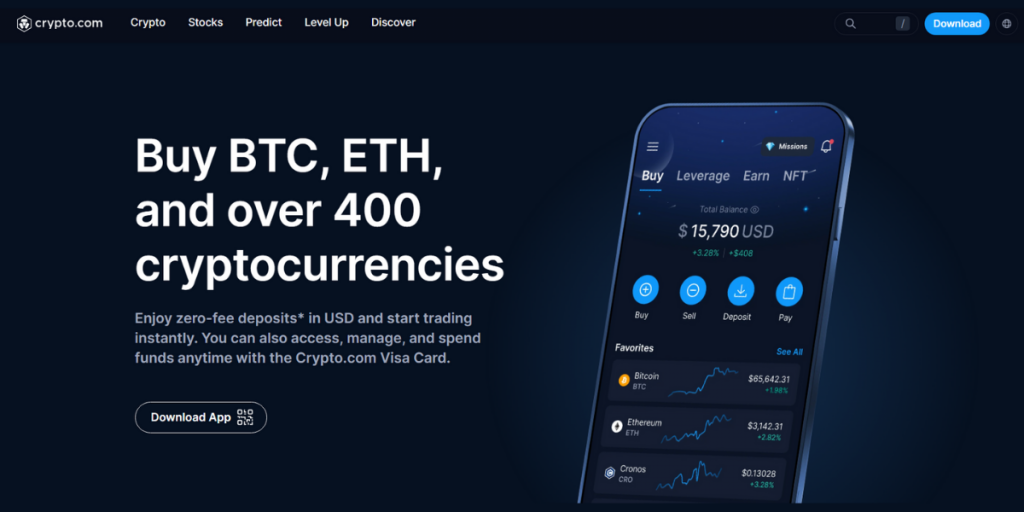
Crypto.com suits app-first users who want crypto buying, card spending features, staking, market tracking, exchange tools, Web3 access, and merchant products under one brand. Crypto.com announced that its Malta entity received a MiCA license from the MFSA on January 27, 2025, with passporting across the EEA.
Payment Methods and App Access
Crypto.com splits its experience into the Crypto.com App for everyday users, Exchange for advanced traders, and Onchain for Web3 users. The app ecosystem includes crypto buying, a Visa Prepaid Card, Pay, Level Up, and market pages. The card adds spending benefits by tier, but cardholders cannot load crypto directly onto the prepaid card. Crypto.com converts crypto into the relevant market currency before users load funds for purchases or ATM withdrawals.
Assets, Baskets, and Tokenized Markets
Crypto.com’s market pages list a very large universe of coins and categories, including Bitcoin, Ethereum, XRP, Dogecoin, Cronos, AI, GameFi, DeFi, memes, RWAs, DePIN, Solana, Ethereum, Cronos, and tokenized stocks. The Baskets feature gives users curated coin groups such as Big 3, BTC-ETH Duo, Meme, and DeFi. Tokenized stocks and Predictions add more market categories for users who want exposure beyond standard crypto pairs.
Exchange and Advanced Trading
Crypto.com Exchange targets advanced traders with a spot order book, Trading API, Perpetual Futures, CDCX CLI, TradingView, and institutional API and FIX 4.4. Its exchange app shows trading screens with charts, order books, balances, positions, open orders, index price, mark price, funding rate, and leverage on perpetual contracts. These tools suit users who want mobile access to active trading.
Earn, Staking, Card, and Pay
Crypto.com Earn lists 21+ cryptocurrencies and stablecoins with fixed reward rates and regular payouts. On-chain staking covers assets such as ATOM, NEAR, KSM, VET, OSMO, GRT, TAO, AVAX, SOL, ADA, DOT, and ETH. ETH liquid staking can give users CDCETH as a tradable receipt token. Rates vary by token, tier, term, and jurisdiction, and Crypto.com states that digital currencies do not count as bank deposits, legal tender, or government-backed assets. The Pay product, Pay Terminal, Pay SDK, and eCommerce plugins also make Crypto.com relevant for merchants.
Proof of Reserves and Wider Ecosystem
Crypto.com promotes 1:1 customer asset backing, Proof of Reserves verification, Merkle Tree checks, wallet transparency through Nansen, and a PoR report from Mazars Group. The company also lists AICPA SOC, ISO 27701, ISO 22301, and PCI DSS badges. Beyond user products, Crypto.com Capital has US$500 million earmarked for early-stage Web3 token and equity rounds, covering infrastructure, DeFi, gaming, and NFTs. Product availability can still vary by jurisdiction, so you should confirm each feature inside the app before relying on it.
Which Binance Alternative Fits Which User?
Kraken fits users who want deep trading infrastructure, derivatives access, traditional market exposure, and a highly regulated European setup. Coinbase fits users who want a simple app, strong brand visibility, cash balances, education, and an advanced trading screen when needed. OKX fits users who want crypto-native tools, P2P access, bots, RFQ, futures, DEX access, and a wide range of active-trading products. Crypto.com fits users who want an app-first ecosystem with card use, staking, Earn, exchange tools, onchain access, and merchant services.
Your choice should come from your actual usage. If you trade actively, look at order types, fees, liquidity, APIs, and risk controls. If you mainly buy and hold, check fiat rails, custody tools, stablecoin support, withdrawal fees, and security settings. If you use staking or Earn products, read how rewards work, what happens during unbonding, and which protections do not apply.
Final Thoughts
MiCA changes how European users compare crypto exchanges. The question no longer stops at token count or interface design. You need to understand the exchange’s authorized entity, the regulator behind it, the countries covered, the products allowed in your account, and the risks attached to each service.
Kraken, Coinbase, OKX, and Crypto.com all give Binance users credible paths to review, but each one serves a different type of user. Before you move funds, check current fees, supported assets, withdrawal terms, stablecoin support, card or bank access, staking rules, and risk disclosures. A licensed platform can give you clearer rules. Your own checks still decide whether the platform fits your needs.